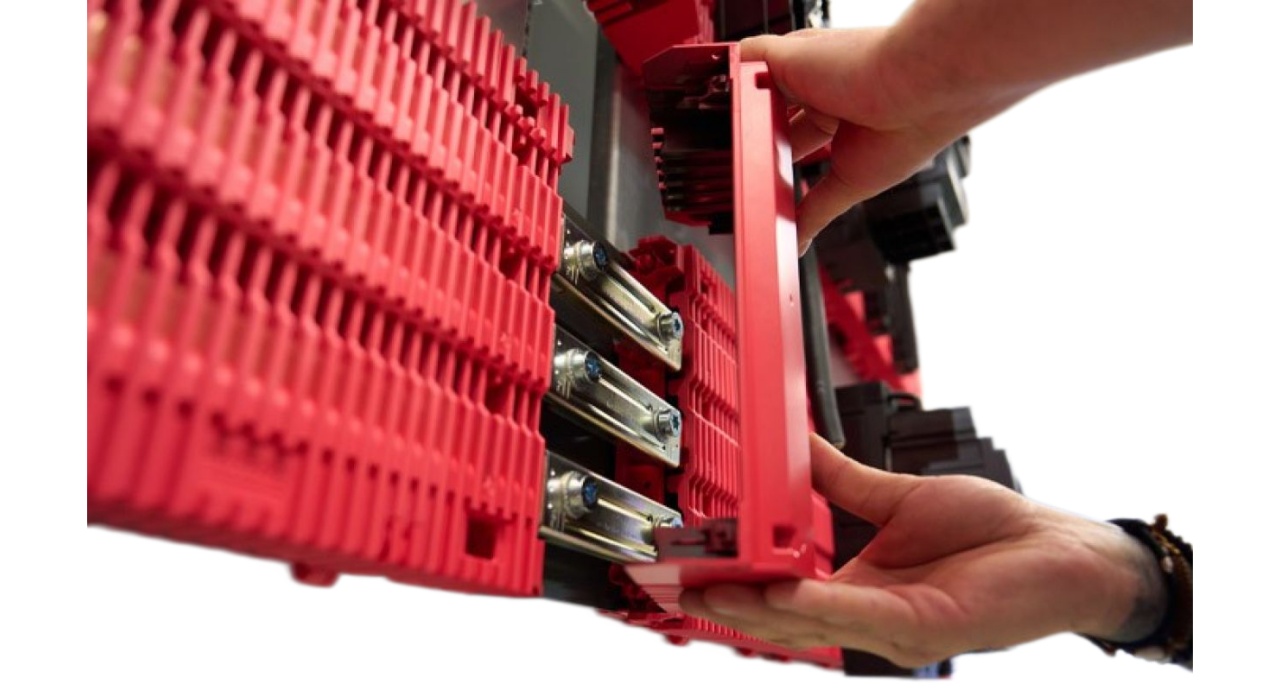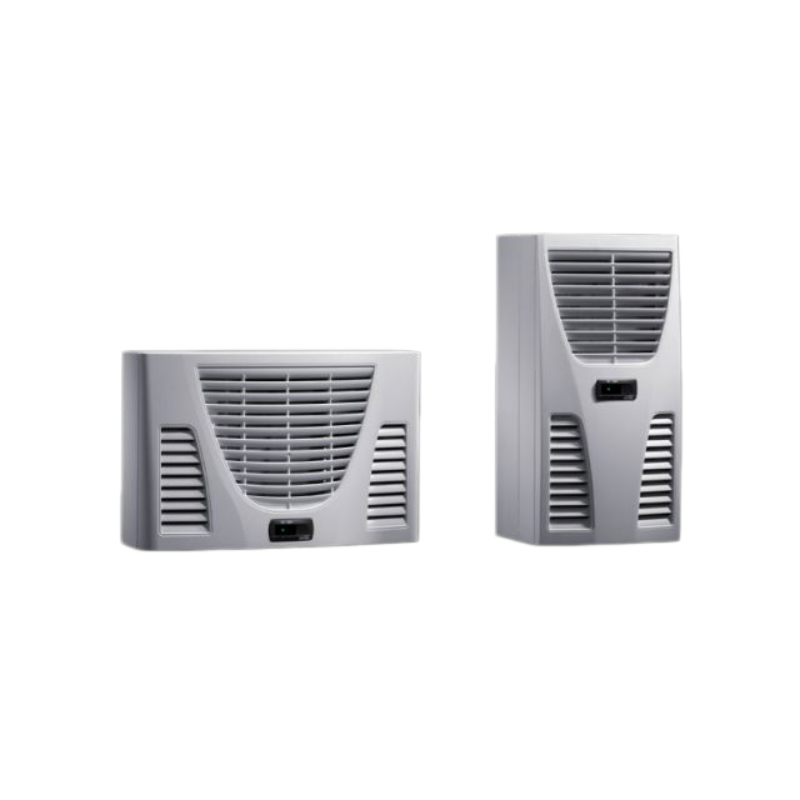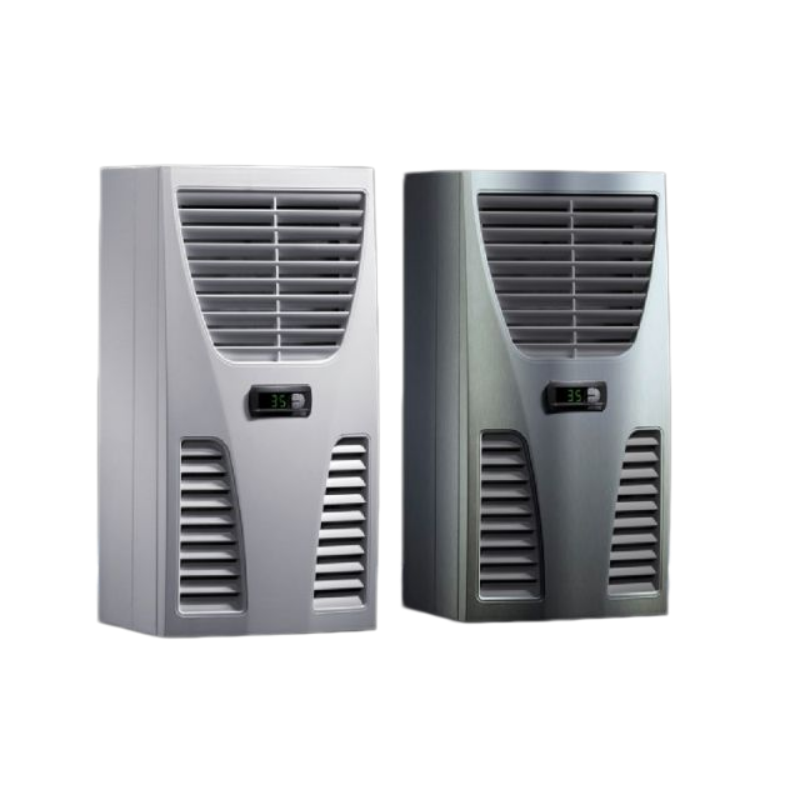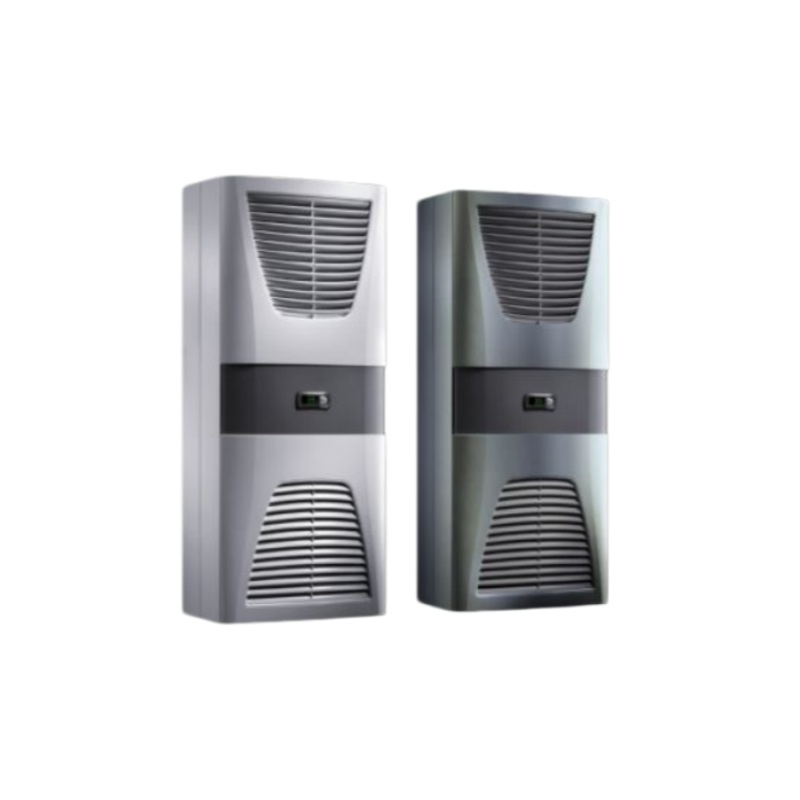
3 Features to Look for in the Right Wall Mount Enclosure

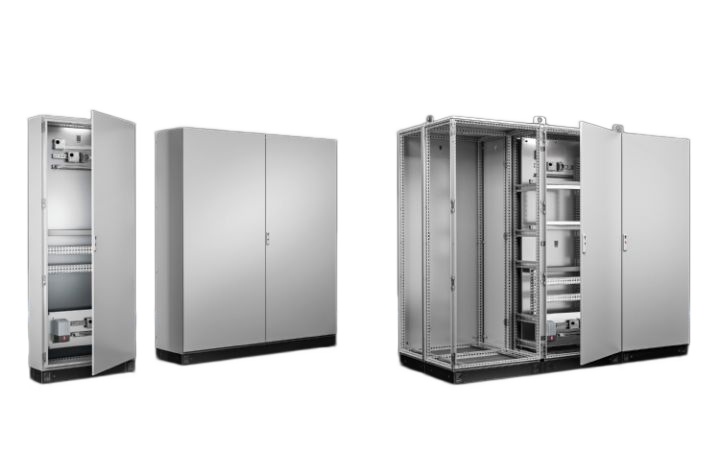
When it comes to electrical and automation protection, selecting a wall mount enclosure is a key decision to make in an industrial setting. Reliability, easy maintenance, and longer service life of the equipment result from the correct enclosure. These three should be the top features to consider when looking at a wall mount enclosure.


The right wall mount industrial enclosures can be easily scaled to meet demand

Scaling an automation infrastructure based on demand is just part and parcel of modern manufacturing, particularly as manufacturers need to adjust productivity based on fluctuations in market demand. This means the ideal wall mount enclosures must help manufacturers quickly and easily scale their automation systems without prolonged lead times or disruptions in production.
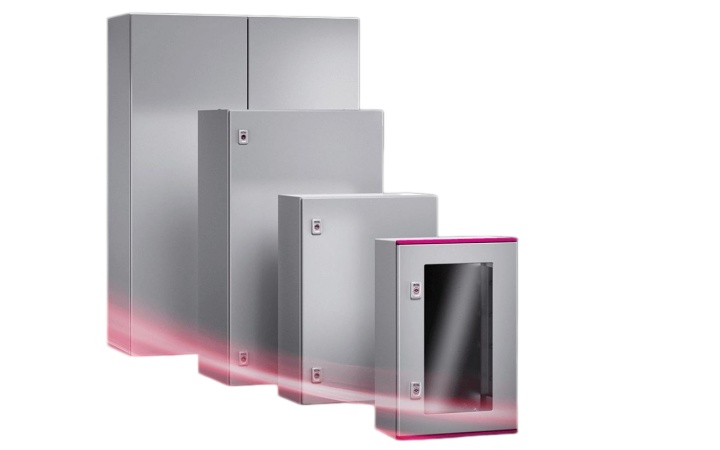
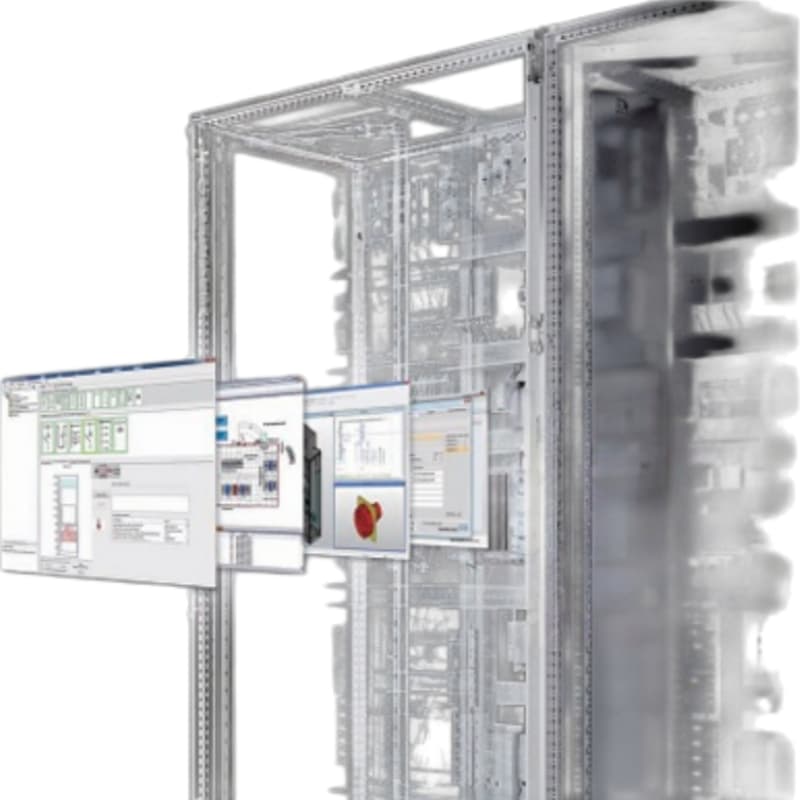
This ability to scale based on demand starts with an end-to-end digitalization of the enclosure design process for real-time insights and visibility into everything from material sourcing to the creation and alteration of panel and enclosure schematics. This approach also creates a more connected ecosystem that allows for real-time schematic changes that enable downstream alterations to enclosure configuration without costly errors or downtime.

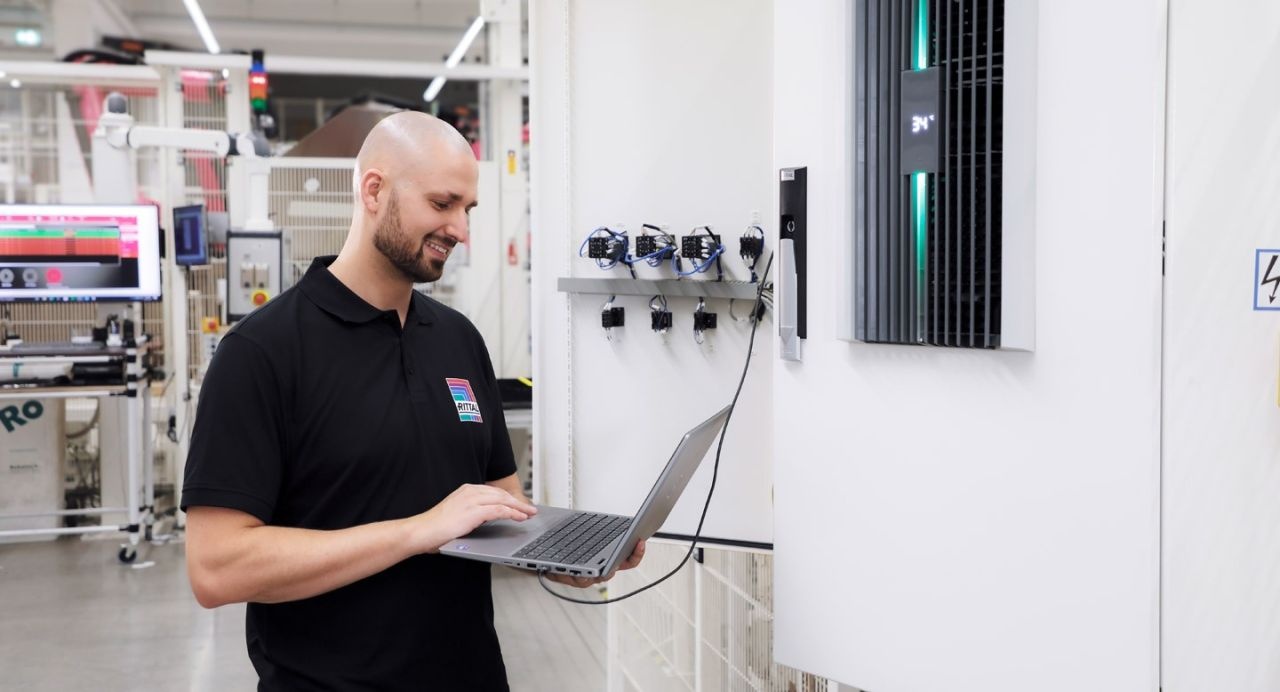
Rittal’s line of wall mount enclosures can be configured and modified in the Eplan suite of Cloud-based design software for a fast, error-free design process that significantly reduces the need for manual intervention. Digital twins and 3D control panel visualization provide panel builders and installers with streamlined workflows for installing power distribution panels and wiring.

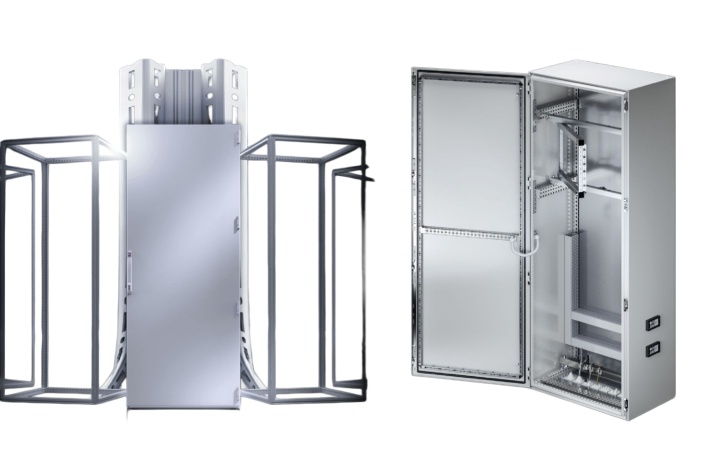
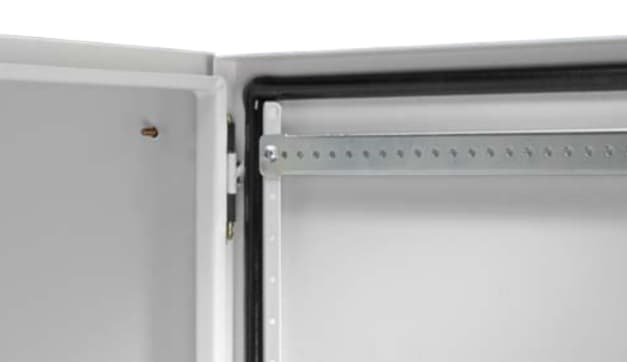
Plus, our AX line of wall mount enclosures can be easily accessed from the bottom for easy cable and wiring management, and system expansion can be easily done by adding rails to the door, or on the side of the AX enclosure, even for dynamic loads.

The right wall mount enclosure can support retrofitting for warehouse automation

Retrofitting existing facilities for warehouse automation has become an extremely valuable path for bringing new factories online and the right enclosures can help support the retrofitting process seamlessly integrate into existing automation systems based on demand.

What does the right enclosure for retrofitting for warehouse automation look like? Enclosures designed and engineered for Industry 4.0 and IIoT allow for greater degrees of customization based on unique deployment specifications, and these enclosures also streamline the installation and modification process to help save time and money.
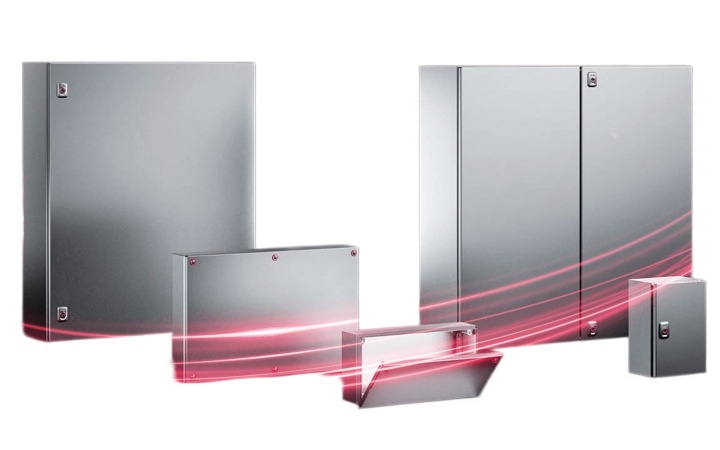
For example, Rittal’s AX enclosure provides simplified, versatile internal configuration for wiring via:

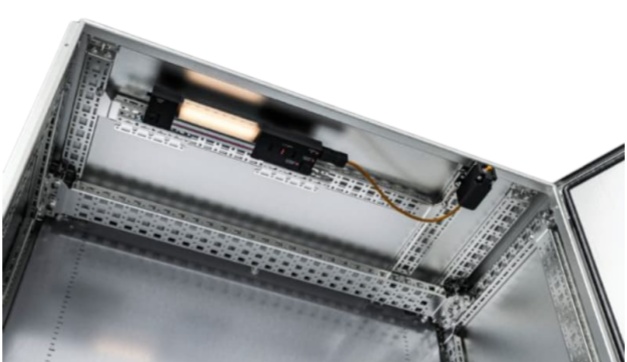
A variety of mounting capabilities without the need for tooling or machining

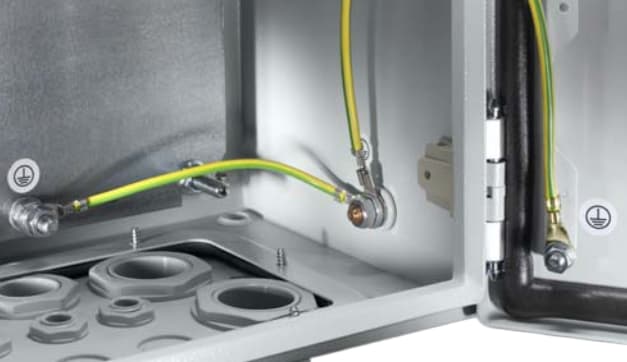
Larger gland plates for more flexible cable entry and wiring

Easy door and hinge assembly reversal, even with double-door enclosures


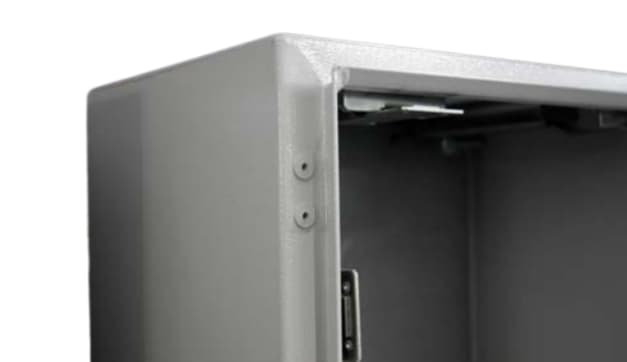
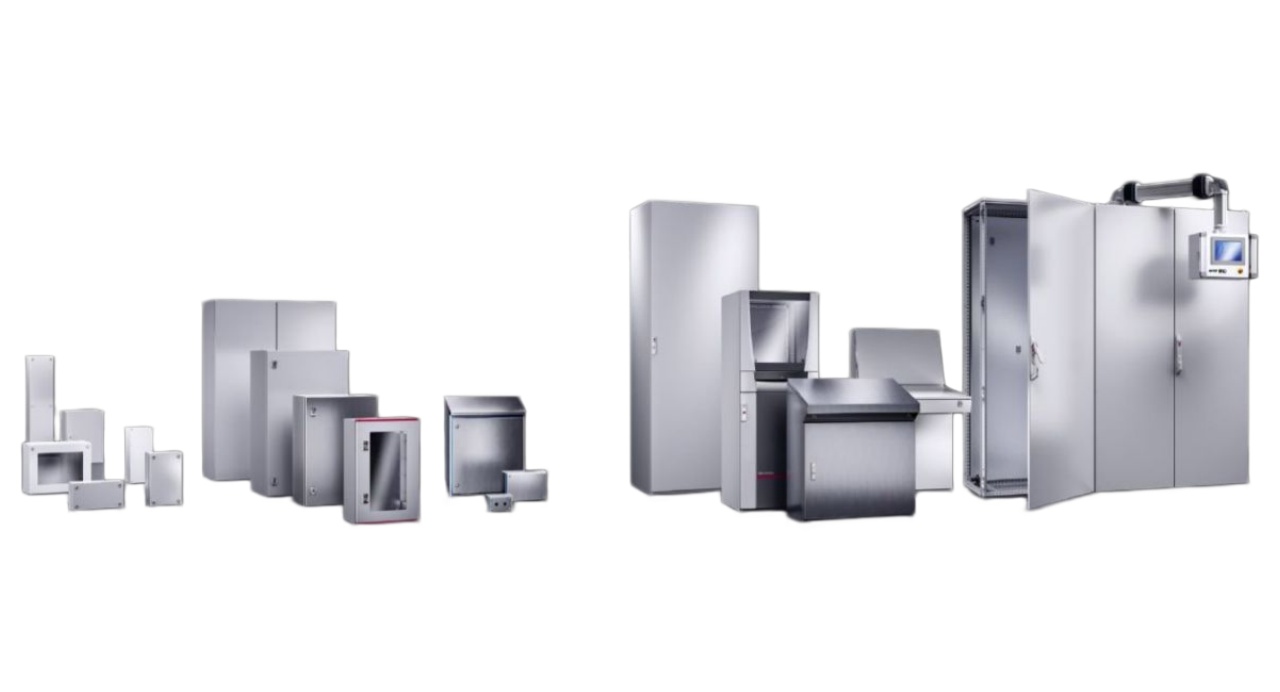
The AX enclosure doesn’t prioritize versatility over protection and durability. Available in carbon steel, stainless steel, and fiberglass reinforced polyester, the AX can be deployed in both indoor and outdoor environments with IP 66 and NEMA Type 4X/4/3R/12/1 protection for superior durability and reliability.

The right wall mount enclosure can help enhance safe manufacturing processes

As modern manufacturing becomes more variable, the risk of industrial accidents increases, especially in the form of fires and explosions. While there are certainly precautions and processes manufacturers can implement to combat this risk and ensure safe manufacturing processes, today’s manufacturers need wall mount industrial enclosure solutions that are approved for use in extreme or challenging environments.

Some of the safety features to look for when choosing the right wall mount enclosure for these conditions include stainless and carbon steel construction options; a variety of NEMA ratings; simplified configuration; and ATEX, IECEx, and UL HazLoc approvals.

With Rittal’s new AX Ex wall mount industrial enclosure, manufacturers can enhance the safety of their production programs via the highest level of enclosure safety certifications on the market today. The new AX Ex enclosure offers ATEX, IECEx, and UL HazLoc approvals to accelerate delivery and deployment on a global scale.

What’s more, the AX Ex enclosure can be mounted via external thread inserts without jeopardizing UL environmental ratings. The AX Ex is also specifically designed for deployment in a variety of outdoor, high-risk industrial environments, some of which include refineries, drilling platforms, oil tankers, pipelines, and facilities that use LNG hydrogen.

Aside from these HazLoc certifications, the AX Ex provides superior durability and reliability via UL Type 1; 3R; 3RX; 4; 4X; and 12 environmental protection, as well as UL F1 outdoor protection against UV. The combination of these global safety ratings make the AX Ex a versatile enclosure solution that can help reduce the risk of accidents in a variety of applications.


Rittal’s wall mount industrial enclosures can help manufacturers in any industry create a more agile automation system that can handle the rigors of any application.


Learn more about our wall mount enclosure solutions
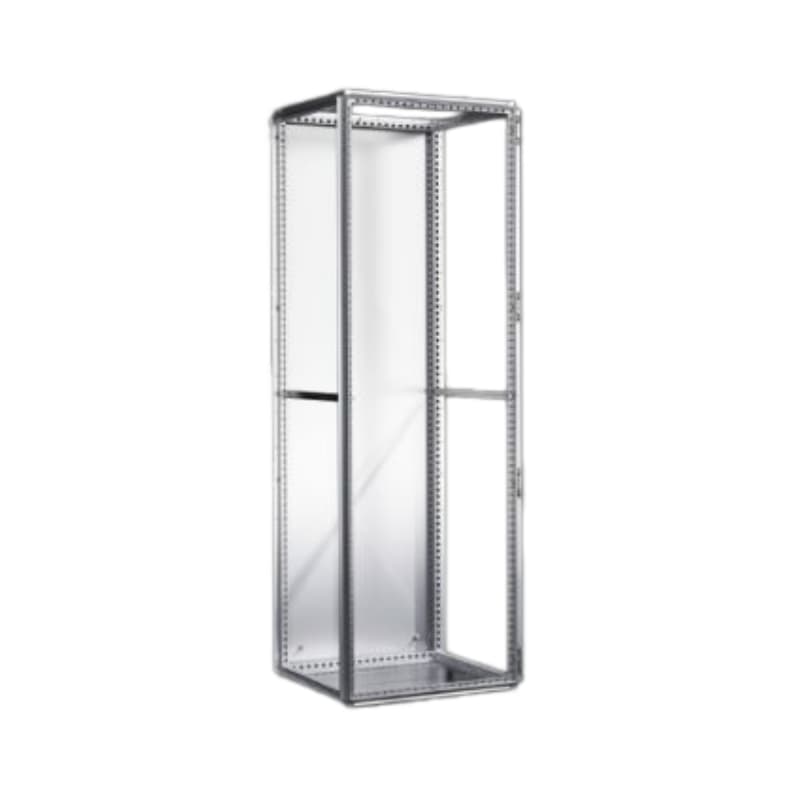
 

From "Dust-Driven" to "Digital-Driven" Why Industrial Enclosures Are the Invisible Hub for Automation Transformation in the Stone Processing Industry

The old stone industry has been perceived for a long time as a stone-pounding business with all-embracing dust, spraying of water mist and deafening noise. As global manufacturing is constantly moving towards other regions like Southeast Asia, and the market demand for high-precision customized stone processing products (including sintered stone and high-quality marble five-axis carving) continues to grow, the automation of stone processing has become a prerequisite and key point for survival in business.


In the eyes of the stone machinery manufacturers (OEMs) and stone processing plants, one thing is often neglected but extremely important – the invisible part, which is the industrial enclosure (electrical control cabinet) – is the one that determines the safety, stability, longevity, full capacity and optimization of the whole production line.


Based on the 《Leading Petrochemical with Intelligence, Creating the Future with Quality》 — Rittal Petrochemical Industry Digitalization & Intelligence Practice White Paper” [1] jointly released by CONTROL ENGINEERING China and Rittal, let's explore the profound impact and influence that industrial enclosures have on the upgrading of stone processing equipment.


1. Breaking Through Harsh Environments: High-Protection Enclosures Serve as "Body Armor" for Stone Plants

The greatest enemies facing stone processing equipment upgrades are the pervasive marble/granite dust and cutting coolant mist present throughout the workshops.


The more traditional stone plants primarily employ simple sheet metal enclosures. During dry cutting, a fine stone dust will accumulate on the circuit boards of the inverter or PLCs, under the catalysis of humid water mist, it will easily cause short circuit or burn out. The IEC standard specifies that high-density conductive or non-conductive dust is a major cause that can drastically reduce the Mean Time Between Failures (MTBF) of industrial controllers [2].


In real chemical environments on the seashore where chemical spray and high humidity are present, the operators have to protect the critical assets using high-quality surface treatment and sealing design, notes Rittal in its petrochemical white paper [1]. Rittal's AX/KX series and VX25 enclosure systems use a unique three-stage surface treatment process (nanoceramic pre-treatment, electrophoretic dip-primer, and powder coating) that enables Rittal's explosion-proof and field-side enclosures to attain a protection level of up to IP66 [1][3].

 As an asymmetric strategy, introducing anti-corrosion and protection standards for the petrochemical industry to the stone industry is effective. In Southeast Asia (including Indonesia, Vietnam, Thailand, etc.) humid environments, an ISO 12944 C5 grade corrosion protection certification [3] for a PLC control cabinet can double the life of equipment exposed to water mist year round, cutting down on unplanned downtime by more than 85%.


Don't let dust and moisture eat into your profits. Click here to download the Rittal AX/KX Heavy-Duty Enclosure Brochure


2. Eliminating "High-Temperature Overheating": Smart Climate Control Solves Inverter Heat Dissipation Challenges

Under the trend of smart manufacturing, modern stone processing heavily relies on high-power servo drives and spindle inverters to achieve millimeter-level cutting precision. These high-energy-consuming components generate massive heat during operation.


According to the classic law of electronics (which is based on the Arrhenius equation principle), the life span of electronic components inside an electrical cabinet is reduced by 50% for every 10°C increase in temperature [4]. Don't forget that the temperatures in overseas markets like Southeast Asia are high and continue year-round, at 30 to 40 °C. When operators use only ordinary fans for the ventilation, the fans are not effective in cooling the cabinet and directly suck the dust air around the cabinet into the cabinet.


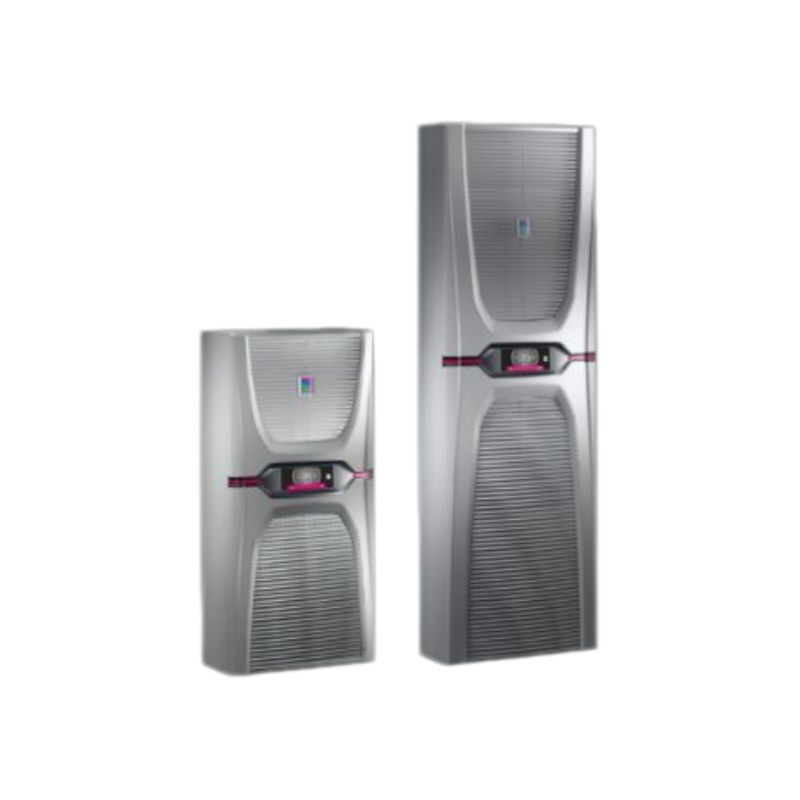
The white paper illustrates the use of Rittal's next-generation energy-saving cooling units/climate control systems for industrial use, the Blue e+ [1]. This system is based on the dual-circuit system that includes a heat pipe and a speed-regulated compressor, which dynamically changes the amount of cooling according to the heat load of the cabinet [4].

Conclusions and recommendations: Stone machinery OEMs should make a firm move to the future, abandon the traditional "fan cooling" and adopt a more comprehensive approach of "high protection + smart enclosure climate control. By maintaining the internal cabinet temperature at 35°C (the optimum temperature range for electronic components), there are no shutdowns due to the overheating of the heat dissipation of the inverter. Moreover, this method can consume up to 75% less energy for climate control [1][4], which directly impacts the Southeast Asian customers' pain point of high electricity cost.


3. Digital Value Chain: Accelerating the "Fast Track" from Design to Overseas Delivery

For automation system integrators (SIs) and machinery manufacturers in Southeast Asia, the shortage of technical personnel and long delivery cycles for overseas projects represent commonly faced pain points.


Manual Wiring & Engineering Cut Outs: Manual wiring and secondary engineering cutouts are very dependent on traditional methods of control cabinet design and manual drawings. This process results in low efficiency, high error rate and inability to fulfil the speedy commissioning criteria of overseas projects.


The white paper recommends that the true digital transformation requires "software + hardware" integration [1]. In the process, EPLAN 3D engineering design software is combined with Rittal's RiPanel digital configuration tool [1][5] to enable the designer to build a complete digital twin of the enclosure, which follows exactly a 25 mm pitch pattern.

The processing data extracted from the 3D model can be transferred directly to automated centres for the enclosure modification (perforex), where they can be cut and drilled accurately, avoiding human errors. This digital value chain solution can boost the design, wiring and assembly efficiency of equipment by over 30%


4. Edge Computing and Smart O&M: The "Digital Brain" of Future Stone Plants

As the Industrial Internet of Things (IIoT) gains ground across process and manufacturing industries, industrial enclosures are evolving from simple "sheet metal shells" into edge computing nodes on the workshop floor.


Smart Monitoring: Modern smart enclosures support the real-time upload of internal temperature, humidity, energy consumption, and inverter status via IoT interfaces.


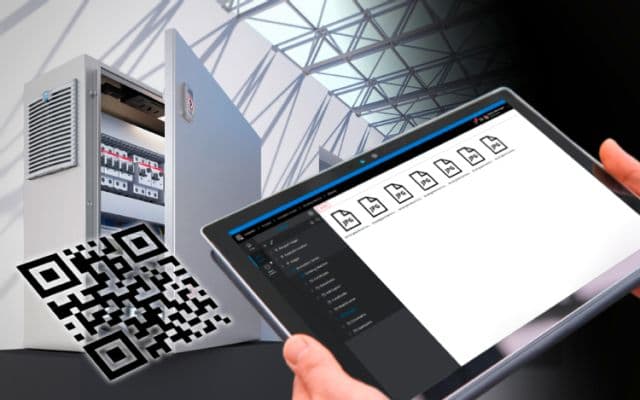
Cloud Collaboration and Digital Circuit Diagrams: Combining the cloud-based paperless operation and maintenance tools mentioned in the white paper (such as the ePOCKET digital wiring diagram pocket) [1], on-site maintenance personnel or domestic technical teams only need to scan a QR code on the enclosure to access the latest complete set of electrical schematics in the cloud.

Autonomous Suggestion: Many stone plants in the Southeast Asian region don't have senior electrical engineers. Domestic distributors or OEMs can remotely deliver predictive maintenance and quick fault diagnosis for a stone plant in Indonesia or Thailand using the smart enclosures' remote O&M features. Service exportation and digitalisation create a high stickiness after-sales barrier.


Ready to safeguard your stone automation equipment in overseas markets?

Whether you need technical consulting, compliance certification support for Southeast Asia, or bulk pricing, we are here to help.


Conclusion and Business Advice

The enclosure is not a mere accessory; it is the foundational bedrock for the stone industry to march toward smart manufacturing.

For promoters of stone processing automation focusing on overseas markets—especially in Southeast Asia—when facing fierce market competition, traditional tactics focus on price competition, whereas digital tactics focus on the Total Cost of Ownership (TCO) across the entire lifecycle.

By introducing top-tier industrial enclosure solutions possessing high protection, smart climate control, and digital genes, distributors can help stone machinery OEMs establish a "high-end and stable" brand image in international markets. Concurrently, these solutions practically help end-users solve the pain points of harsh workshop environments and high downtime rates. In the wave of digital transformation, whoever takes the lead in upgrading the "control hub" will secure the initiative in this industry restructuring.
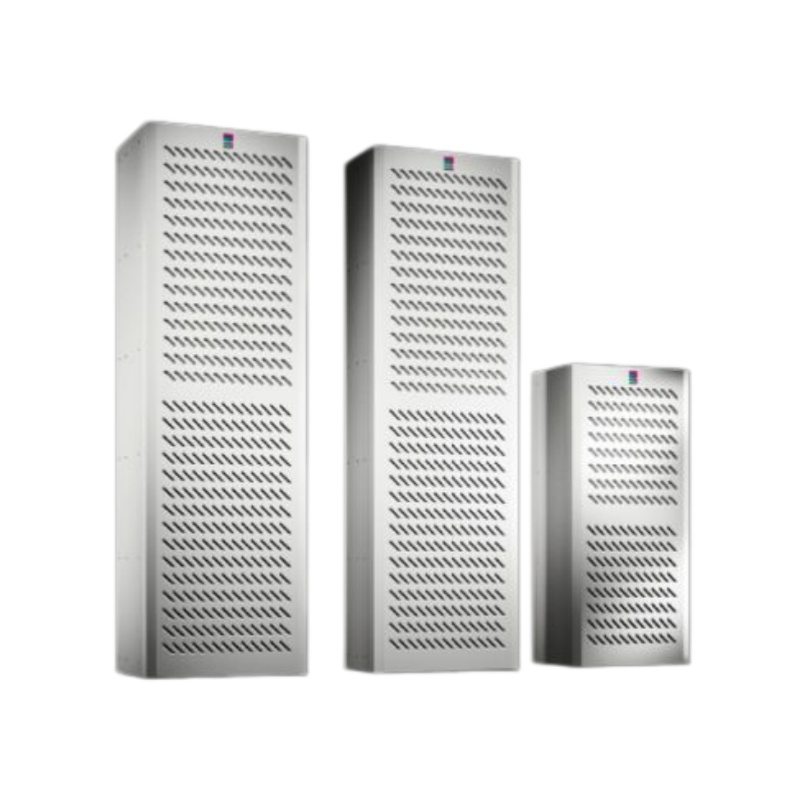
We are committed to providing the highest standard of enclosures, climate control systems, and automation upgrade solutions for global stone processing and heavy industry customers.


References:


[1] Rittal & CONTROL ENGINEERING China. (2026). “Leading Petrochemical with Intelligence, Creating the Future with Quality — Rittal Petrochemical Industry Digitalization & Intelligence Practice White Paper”.

[2] IEC 60529. Degrees of protection provided by enclosures (IP Code). International Electrotechnical Commission standard on protection degrees provided by electrical equipment enclosures against dust and liquid ingress.

[3] ISO 12944. Paints and varnishes — Corrosion protection of steel structures by protective paint systems. International Organization for Standardization standard on corrosion protection of steel structures by protective paint systems (C5 high corrosion environment certification).

[4] Rittal GmbH & Co. KG. (2022). White Paper: How to Achieve the Perfect Climate Inside Your Enclosure. Rittal technical white paper on perfect internal climate control and energy consumption reduction for enclosures.

[5] Rittal GmbH & Co. KG. (2023). White Paper: Practical Benefits of Modular Industrial Enclosures and Digital Value Chain. Rittal research white paper on the efficiency benefits of modular industrial enclosures and the digital value chain


How to Choose the Right Industrial Enclosure

The challenge for industrial plants today is to cut down on their operating costs, incorporate new technologies and abide by increasingly stringent sustainability requirements. Automation systems are growing significantly with the rise of Industry 4.0 and are increasingly being demanded to be more reliable in their electrical and control aspects.The core of these systems is an industrial enclosure. Sensitive equipment and critical electrical controls that maintain efficient and safe plant operations are protected by enclosures. The choice of enclosure is critical as the rating, material construction, surface finishes and structural design will all influence equipment protection and operational reliability.An enclosure that is not designed to meet the conditions of its operating environment can be susceptible to dust, debris, moisture, chemicals and corrosive materials which can cause system failures, unplanned downtime and higher maintenance costs. By knowing the basic principles of enclosure selection, the long-term protection of equipment and reliable plant operation can be ensured.


Ratings

The National Electrical Manufacturers Association (NEMA) and the International Electrotechnical Commission (IEC) provide a set of standards that describe the degrees of ingress protection from dirt, debris, water, chemicals, and other liquids.


Manufacturers conduct rigorous product testing to verify that their specified ratings meet these strict testing requirements. When selecting a housing, look for third-party certification marks from independent organizations such as UL or TÜV. Enclosures carrying these marks guarantee that they will provide the required protection for the environment and application as stated in the standard, ultimately ensuring a long service life for the internal equipment and controls.

Materials and finishes

The material the enclosure is constructed from can play an important role in protecting the internal components. From protecting against environmental factors like rain or chemicals used in washdown to protecting data integrating and preventing electromagnetic interference, the right material will provide added protection.

  • #
  1.  

1.Polycarbonate is a thermoplastic and is used in applications where total weight is a concern such as in maritime use. It also resists corrosion and UV rays and offers a degree of water protection, so it is commonly used in outdoor applications including solar or wastewater treatment. As it is a non-metallic material, it naturally prevents excellent electrical insulation. Its composition further allows radio-waves to penetrate allowing for protection of equipment that requires wireless transmission.(See our Polycarbonate Enclosures Product Line)


2.Aluminum is a lightweight option that provides more durability than plastic. One of the main benefits of aluminum is that it allows heat to dissipate in addition to protecting against outside elements. Unlike its plastic counterpart, there is natural shielding from radio-frequency interference (RFI) making this a choice for those that need added security for the internal equipment. This material is commonly used in telecommunications, traffic control, and battery storage applications due to its resistance to weather fluctuations. Additionally, it provides protection from alcohol, solvents, oils, and more.


3.Carbon Steel (Mild Steel) and Stainless Steel: These are the heavyweights of industrial applications, providing maximum durability. Low-carbon steel (commonly known as mild steel) is well-suited for most standard industrial environments due to its excellent formability and weldability. Stainless Steel is available in two main composition types—304 and 316—offering varying degrees of superior protection from harsh corrosion, extreme temperature fluctuations, and washdown water. Its composition is ideal for oil and gas production, pharmaceutical manufacturing, and food and beverage facilities.


Finishes can play an important role in the total cost and aesthetics of the enclosure. If you plan to make modifications to the enclosure, you’ll want a finish that is resistant to scratches and chipping whereas a consistent and clean looking enclosure layout may be important in other areas of operations or customer interactions.


1.Blasting, Polishing, and Buffing will smooth out any roughness and create a polished finish. Blasting has the added benefit of completing the cleaning and finishing in one step which can reduce some of the cost. However, these options provide limited surface protection from external factors.

2.Wet or Powder Coating is an affordable option that creates a clean look and provide more color customization options compared to other finish choices. However, it is prone to scratching and chipping which can add costs if the panels are being modified. Any finish damage will need to be redone to provide the proper grounding protection and keep the aesthesis of the enclosure looking clean.

3.Zinc plating provides a grounded coating that does not chip or scratch. This ensures the integrity of the enclosure remains intact even throughout modifications. The entire surface is immersed in the zinc coating ensuring complete protection and keeping the aesthetic appeal of the finished enclosure.


Enclosure style

Choosing an enclosure style to fit your application specifications is crucial to creating a solution designed for your needs. Deciding on unibody, modified, or modular can be challenging; starting with your unique needs will put you on the path to success. Determining how the enclosure will be used today and what the future application needs are will help in the decision-making process.

Unibody: Heavy gauge sheet steel welded together are the defining characteristic of unibody enclosures. They can create a durable enclosure; however, fewer access point will be available. This can make it challenging for maintenance and modifications. Additionally, it limits flexibility so using this option in certain environments including maritime or earthquake prone areas, may actual diminish its integrity due to the vibrations and shock the structure will undergo.


Modified: While there is a lot of talk around modified enclosures, they only allow you to add customizations to an existing structure. Creating cutouts for controls, switches, and more is a necessity, but you are limited to how customized the complete enclosure will be.(Explore our Custom Enclosure Modification Services)

Choosing a modular solution, presents more control over the final customization. The ability to modify all panels with the necessary cutouts or additions is still an option, but you gain the ability to create additional updates or modifications as facility and operational needs change. In a modular solution, the strength of the enclosure system is in the frame, making this a strong, durable, and flexible option. It also allows replacement of a single panel if numerous changes are needed, supports the separation of sections within the enclosure using various sized panels, or connecting enclosures together across all sides. Modular enclosures grant ultimate control over your end solution and accommodate the needs of tomorrow in a more cost-effective way than unibody.


Making an informed choice on enclosure selection will lead to a successful solution built for longevity. Along with understanding your specific plant environment, having a firm grasp on industry ratings, material types, and structural styles will boost your engineering confidence throughout the design process, ensuring your plant is ready for the requirements of Industry 4.0.

Ready to find the perfect fit for your next project? [Contact our enclosure technical experts today]


Industrial Enclosure Buying Guide for Panel Builders, Machine Builders and System Integrators

Choosing an industrial enclosure is not only about cabinet size. For panel builders, machine builders and system integrators, the enclosure affects wiring time, heat control, power distribution, site installation and future maintenance.

A low-price cabinet may look fine at the purchasing stage. But if it causes extra drilling, poor cable routing, overheating, or difficult expansion later, the total project cost becomes higher.

As a Rittal distributor, Suwei helps customers choose enclosures, cooling products and power distribution components based on real project conditions, not only catalogue parameters.


Start with the application, not the cabinet size

Before selecting an enclosure, the first question should be: where will this cabinet be used?

For small control panels, machine-side control boxes and local electrical cabinets, wall-mounted enclosures are usually enough. They save space and are easier to install near the machine. For these applications, products such as the Carbon Steel AE Wall-mounted Enclosure and Carbon Steel AX Basic Enclosure are practical choices.

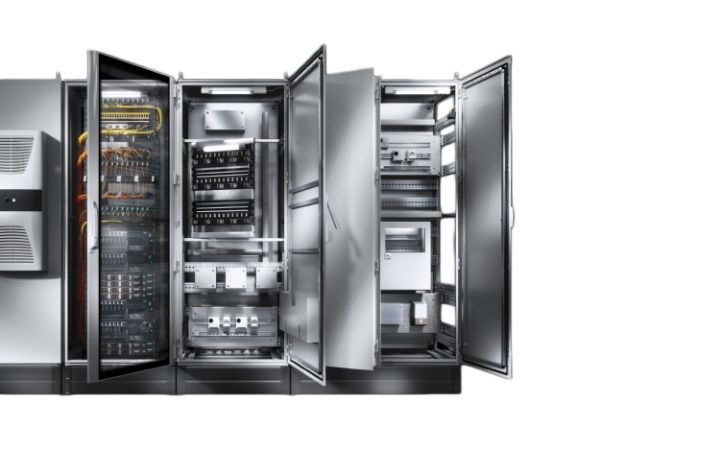
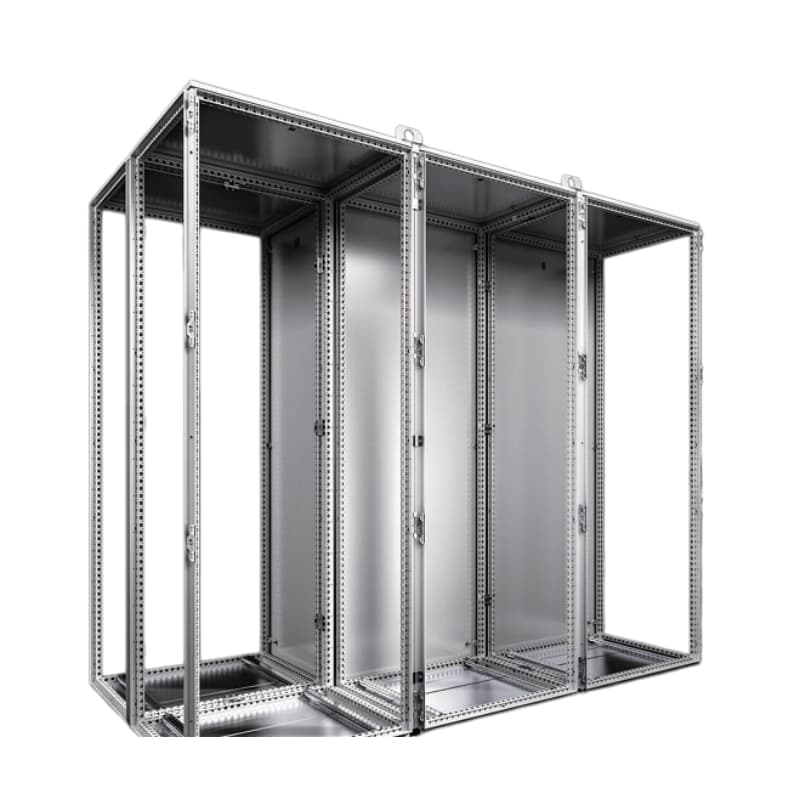
For larger automation lines, power distribution cabinets or multi-cabinet systems, a modular enclosure is usually better. These projects often need more space for drives, breakers, terminals, cable routing and future expansion. In this case, customers can consider the VX25 Basic Enclosure Baying-enclosure System or VX25 Distribution Enclosures.

A simple rule: if the project may expand later, do not choose an enclosure that only fits today’s component list.

Check the site environment before choosing protection level

Many buyers ask for IP rating first. That is important, but it is not the whole answer.

A cabinet in a clean indoor workshop has different requirements from a cabinet near dust, oil mist, high temperature or washdown areas. If the site condition is not clear, the selected enclosure may be either over-specified or not strong enough.

When selecting an industrial enclosure, check these points:

  • Indoor or outdoor installation
  • Dust, oil mist, water or chemical exposure
  • Ambient temperature
  • Heat generated by drives and power components
  • Cable entry position
  • Maintenance access
  • Space for future components

For general enclosure selection, customers can start from Suwei’s Enclosures category and then narrow the choice by cabinet type, size and application.


Do not treat cooling as an accessory

Cooling is often considered too late. In many control cabinets, the main problem is not the enclosure itself, but heat inside the cabinet.

Variable frequency drives, servo drives, power supplies, PLCs and communication devices all generate heat. If the heat is not removed properly, the cabinet may work during testing but fail during summer operation or full-load production.

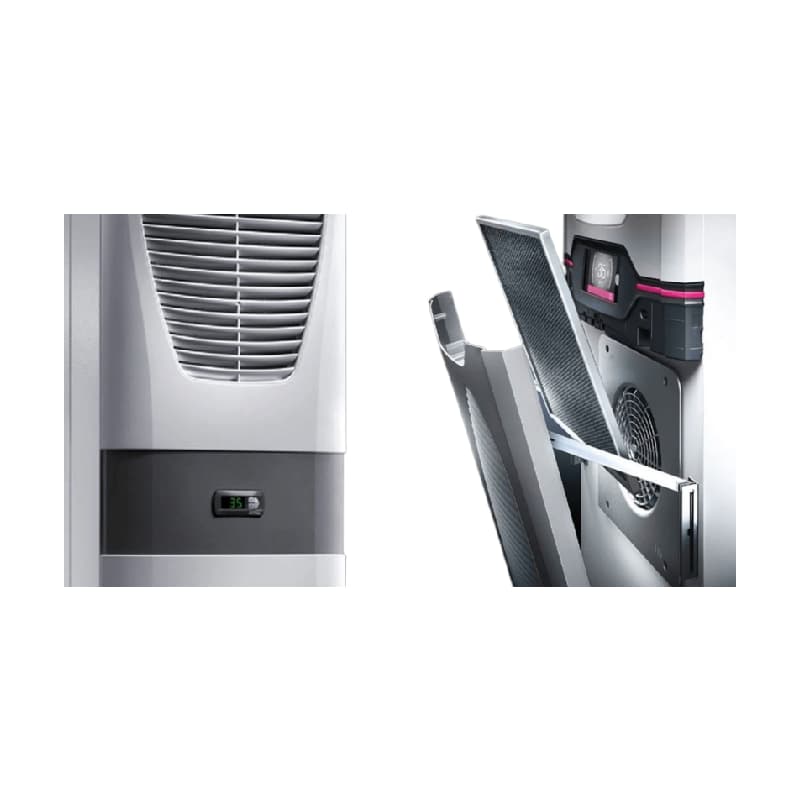
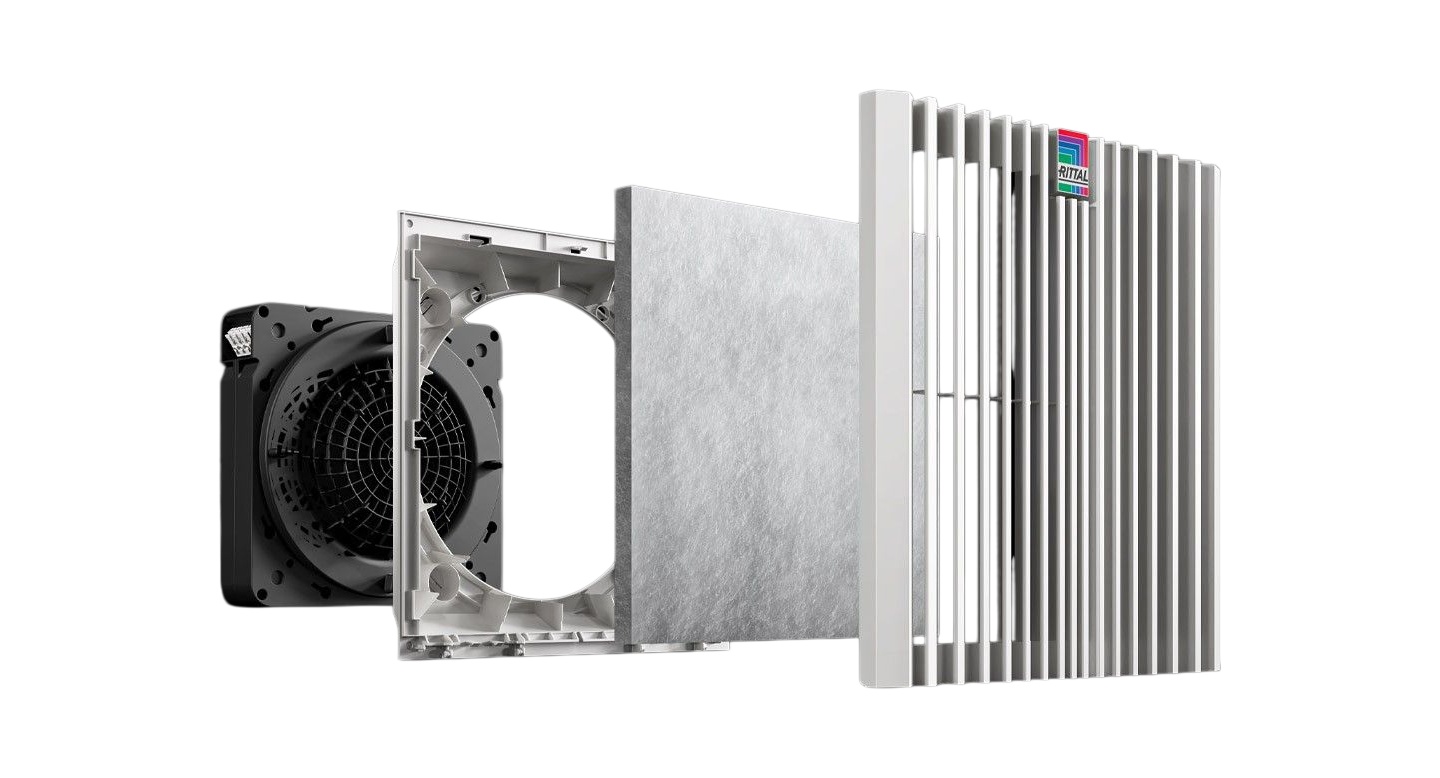
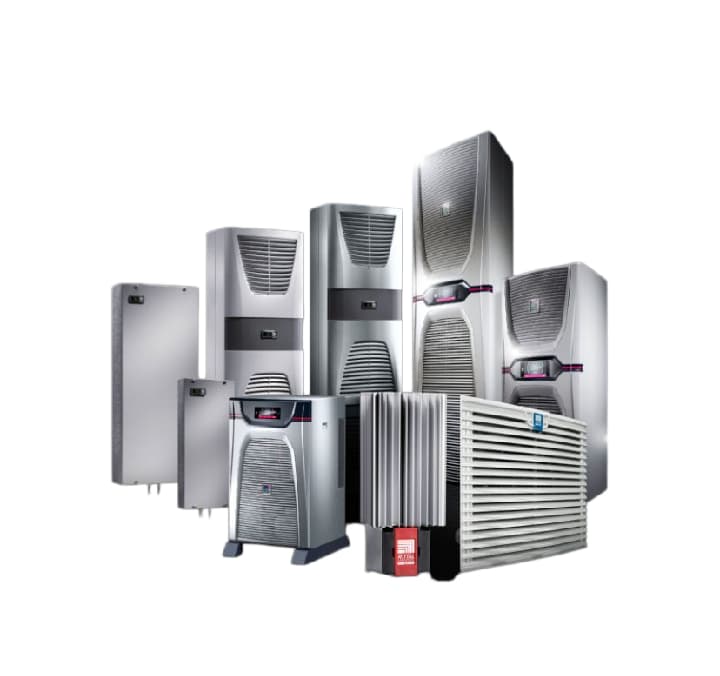
For lighter heat loads and clean environments, a filter fan can be enough. Suwei offers the Blue e Filter Fan - Industrial Enclosure Cooling Fan for cabinet ventilation.

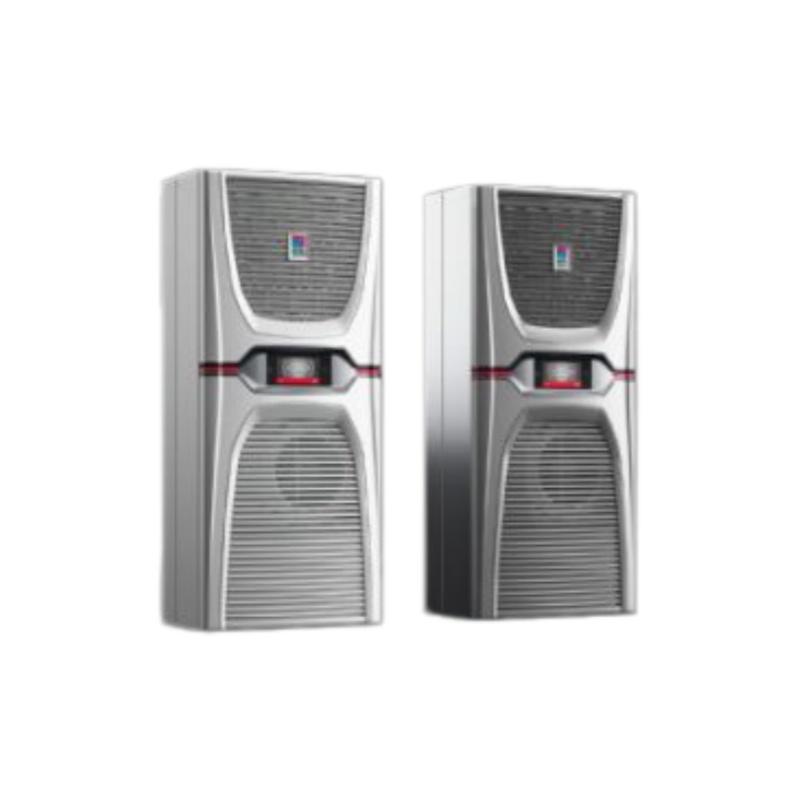
For higher heat loads, enclosed cooling is often needed. The Blue e Wall-Mounted Cooling Units Top Therm 0.3 - 4 kW is suitable for many industrial control cabinet applications.

If wall space is limited or the cabinet layout requires top-mounted cooling, the Roof-mounted Blue e+ Cooling Unit can be considered.

Cooling should be selected together with the enclosure, not after the cabinet is already built.

Add the busbar system early in the design

 For power distribution cabinets, the busbar system should not be decided at the last step.

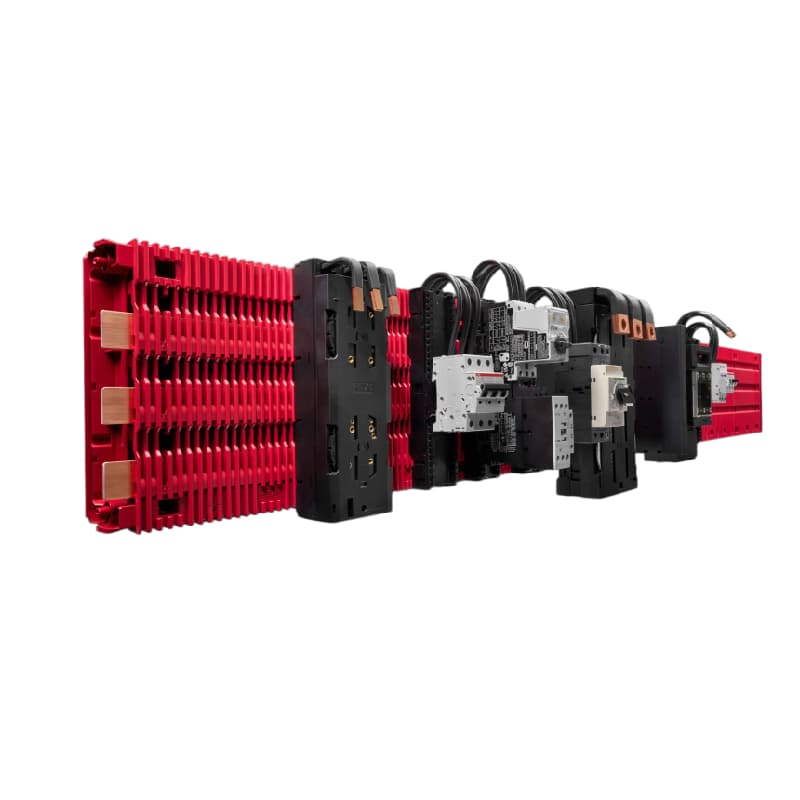
A good busbar layout makes the cabinet cleaner, reduces repeated wiring work and makes later maintenance easier. This is especially useful for panel builders handling repeated projects or system integrators working on multi-cabinet installations.

Instead of only placing cables and breakers inside the cabinet, it is better to plan the enclosure, busbar system and switching components together.

For these applications, customers can review Suwei’s Busbar Systems and Power Distribution categories. For circuit protection and switching, the NH Fuse Switch Disconnectors 160A - 630A can also be part of the cabinet design.

This is important for projects with multiple outgoing circuits, high current distribution or future expansion plans.

What panel builders should care about

Panel builders usually care about build time and repeatability

A cabinet that is easy to mount, modify and wire can save hours in production. Standardized enclosure platforms also make purchasing, stock control and drawing work easier.

For panel builders, the right enclosure should help reduce:

  • Extra machining
  • Wiring time
  • Layout changes
  • Installation mistakes
  • Non-standard parts

This is why many panel builders prefer standard Rittal enclosure systems through Suwei, especially when they need consistent quality across repeated projects.


What system integrators should care about

System integrators often deal with many brands, many cabinets and changing site conditions. Their main risk is project coordination.

A cabinet that looks acceptable in the drawing may become difficult on site if cable entry, cooling, power distribution and expansion space were not planned clearly.

For system integrators, enclosure selection should include:

  • Cabinet layout
  • Heat calculation
  • Cable routing
  • Power distribution
  • Busbar space
  • Installation method
  • Maintenance access

This avoids late-stage changes and helps the project move faster.


FAQ

Q1: What is the best enclosure for a small control panel?
A: For small control panels or machine-side electrical boxes, wall-mounted enclosures such as AE or AX series are usually suitable.

Q2: When should I choose a VX25 baying enclosure system?
A: Choose a VX25 baying enclosure when the project needs multiple cabinets, larger space, expansion options or a structured power distribution layout.

Q3: Do all industrial enclosures need cooling units?
A: No. Some cabinets only need ventilation or filter fans. Cabinets with drives, power supplies or high ambient temperature may need wall-mounted or roof-mounted cooling units.

Q4:Why is a busbar system important in power distribution cabinets?
A: A busbar system helps organize power distribution, reduce wiring complexity and make future maintenance easier.

Q5: Can Suwei help select Rittal enclosure products?
A: Yes. As a Rittal distributor, Suwei can help customers select enclosures, cooling products, busbar systems and power distribution components based on project requirements.


Rittal Blue e vs. Blue e+ Enclosure Cooling Units—Which Fits Your Project Matrix?

As an authorized Rittal distributor, we at SuwiAuto routinely consult with electrical engineers and procurement managers regarding thermal management layout design. A recurring dilemma in enclosure climate control planning is a clear-to-see fork in the road: Should we spec the time-tested, cost-effective traditional Blue e cooling units, or invest upfront in the next-generation intelligent Blue e+ variable-speed systems?

From our distribution and deployment experience across hundreds of mid-to-large-scale industrial automation rollouts, we know that there is no universally "superior" product—only the unit that aligns with your specific ambient environment, load profiles, and asset strategies. Over-specifying leads to wasted CAPEX on digital redundancies, while under-specifying causes premature component degradation and thermal-induced downtime.

To assist your engineering team in making an optimal commercial and technical determination, this guide leverages our distribution insights to break down Rittal's two benchmark series through the lens of Total Cost of Ownership (TCO).


Blue e

For production facilities maintaining stable ambient temperatures and relatively constant thermal load profiles, the Rittal Blue e line remains the benchmark for immediate Return on Investment (ROI). Engineered with a pragmatic mechanical architecture, blue e series prioritizes dependable, plug-and-play climate control stability.


As an authorized channel partner, SuwiAuto maintains rolling inventory of the three primary Blue e form factors:


The heart of Rittal’s Blue e line includes:   

  • TopTherm air conditioners are the staple of Rittal’s Blue e line. These units combine high output with superior energy efficiency and temperature stability controls to not only reduce your energy consumption and costs, but also prolong the life of your switchgear and electronic cabinets. The TopTherm line puts durability and reliability at the forefront with nano-coated condenser coils and integrated condensate evaporators to resist corrosion and reduce maintenance time and cost while maintaining reliable cooling capacity. Available in both wallmount and roofmount and with multiple mounting position capacity and the option for filterless operation, TopTherm provides the flexibility and modularity necessary to remain competitive and cost-conscious. 
  • Wallmounted air conditioners provide the same exceptional level of climate control and cooling capabilities as the TopTherm product but with an emphasis on outdoor applications or those with harsh climate considerations or elements. This line of cooling units is the industry standard for indoor or outdoor enclosures where water is a primary concern, such as wastewater facilities, transportation and toll booths, outdoor kiosks, and food and beverage production facilities. In addition, the use of nanotechnology helps resist filiform corrosion on condenser coils which offers greater energy efficiency. Coated condenser coils do not impact the cooling capacity of the unit and in most cases can be operated without a filter, further reducing maintenance-related downtime. 
  • Blue e Chillers are designed for specific or targeted cooling applications where climate control is still a top priority but without an emphasis on cooling an entire network or system of switchgear panels or cabinets. In essence, Rittal’s Blue e Chiller acts as a spotlight where high-efficiency and controlled cooling is concentrated or directed to a specific location or element. Designed for the ultimate plug-and-play scenario, this chiller comes fully-wired ready, equipped with standardized water connections, and is available in two enclosure sizes for four cooling capacities.

Blue e benefits:

  • Energy-efficient rotary compressor technology
  • Speed-controlled fans for reduced energy consumption
  • Digital temperature controller for precise regulation
  • Integrated condensate evaporation system
  • Reliable operation in industrial environments

Blue e application:

  • Standard control cabinets in manufacturing
  • Stable operating environments
  • Applications with consistent heat loads
  • Budget-sensitive industrial projects

In short, Blue e is a reliable workhorse—efficient, practical, and cost-effective.


Blue e +

The Rittal Blue e+ series represents a technological paradigm shift in industrial climate control. Moving away from standard fixed-speed compression, it utilizes a digitalized, automated micro-climate framework designed to maximize OPEX (Operating Expenditure) efficiency across high-density, variant-rich automated production systems.

For advanced manufacturing plants, Tier-1 automotive lines, and smart factories, Blue e+ delivers three distinct engineering advantages:


Blue e+ also provides a variety of game-changing features, including:

    • Hybrid cooling that relies on two parallel cooling circuits working to circulate air throughout the enclosure. The integral heat pipe dissipates heat from the enclosure as soon as the ambient temperature falls below a specified setpoint, providing passive climatization. This inverter technology provides optimal and adequate cooling output at any time with increased energy efficiency compared with more conventional cooling methods, along with increases in the lifespan of the enclosure, the enclosed components, and the cooling unit itself.
    • Global applications via multi-voltage capability to connect to all standard power grids worldwide. Possible input voltages range from 110 V (single phase) to 480 V (three-phase) at grid frequencies of 50 or 60 Hz, which means a considerable reduction in the number of device variants, but also to a greater simplification of spare parts procurement resulting in enhanced supply chain logistics. The ability to operate around the globe regardless of specific voltage standards means Blue e+ puts companies in a position to rapidly and effectively compete in such a marketplace where streamlining workflows and optimizing efficiency are the name of the game.
    • Technological integrations that put more power than ever before in the hands of those on the production room floor whose job it is to ensure the right level of cooling and control takes place at the right time for the right application. Other integrations within the Blue e+ series include a touch-screen display, multi-lingual system messages, and standardized communication interfaces to ensure easy integration in a production plant’s control systems. In addition, remote and mobile monitoring, data transfer and sharing, and real-time insights to avoid breakdowns and/or maintenance costs increase cross-organization communication and collaboration for a more productive and data-driven end-to-end experience

Blue e + benefits :

  • Hybrid cooling technology 
  • Extremely high energy efficiency (up to ~75% energy savings compared to older systems)
  • Wide voltage compatibility for global deployment
  • Smart IoT connectivity for monitoring and diagnostics
  • Variable-speed components for dynamic load adaptation
  • Precise temperature control for sensitive electronics


Blue e + application :

  • Data centers and IT infrastructure cabinets
  • High-load industrial environments
  • Facilities with 24/7 operation
  • Companies with strong sustainability targets
  • Global operations needing voltage flexibility and remote monitoring

Blue e+ is a future-focused solution designed for performance, intelligence, and long-term savings.

    • #
    • #
    • #


    Evaluation Metrics Blue e Series (The Reliable Workhorse) Blue e+ Series (The Intelligent Standard)
    Upfront CAPEX Low to Moderate. Highly budget-friendly initial purchase cost. Ideal for projects with strict upfront capital limits. Premium Price Tier. Higher initial procurement investment due to advanced hybrid technology and smart components.
    Operational OPEX Baseline Consumption. Standard energy costs dictated by traditional fixed-speed on/off compressor cycling. Ultra-Low Consumption. Delivers up to 75% energy savings by combining passive heat pipes with variable-speed speed-controlled compressors.
    Voltage Adaptability Region-Specific. Requires different model variants to match local power grids (e.g., 230V 1~ vs. 400V 3~). Increases SKU tracking. Global Multi-Voltage. One unit fits all standard worldwide grids natively (110V to 480V, 50/60Hz). Simplifies global OEM supply chains.
    IoT & Industry 4.0 Optional/Retrofit. Requires external Rittal IoT adapters and additional wiring to pull data into factory automation networks. Native Integration. Built-in touchscreen, smart diagnostics, and standardized communication protocols for real-time remote monitoring.
    Thermal Load Fit Constant Loads. Best for manufacturing floors with a stable baseline ambient temperature and steady internal heat profiles. Dynamic/Fluctuating Loads. Excels in high-density automated cells, Tier-1 lines, and climates with severe diurnal temperature shifts.
    Typical Payback Immediate ROI on the procurement invoice, but subject to cumulative lifecycle energy and maintenance costs. Typically 12 to 24 months in 24/7 high-tariff regions, driven by aggressive, compounding OPEX reductions.

The right choice for you?

In order to understand which line of innovative, dynamic cooling and climate systems makes sense for you, you first have to understand what you need to support your production architecture and then you can determine which cooling system supports those needs.  

that is especially true for Rittal’s Blue e and Blue e+ cooling units, as modifications and retrofitting can certainly be made to the Blue e line via series of IoT adapters to bring the standard Blue e line closer to the automation levels and digitization levels of Blue e+.


Choosing between Rittal Blue e and Blue e+ is not about which one is universally better—it’s about matching technology to application.

  1. Blue e = reliable, cost-effective, standard industrial cooling
  2. Blue e+ = advanced, energy-optimized, future-ready solution


If your priority is initial cost and simplicity, Blue e is a strong choice.

If your priority is energy efficiency, smart control, and long-term savings, Blue e+ clearly stands out.


The right decision depends on how your systems operate today—and how you want them to perform in the future.


Authorized Technical Support & Thermal Calculations via SuwiAuto

As an authorized Rittal channel partner, SuwiAuto does not rely on subjective estimates or rule-of-thumb thermal guesswork. Our engineering team utilizes the proprietary Rittal Therm sizing software to calculate your precise heat dissipation requirements based on physical enclosure dimensions, mounting arrangements (wall-mounted vs. roof-mounted), minimum/maximum ambient temperature profiles, and total internal component power loss (Watts).


We maintain active stocking levels of core Blue e and Blue e+ configurations for rapid deployment.

To request standard thermal calculation sheets, official factory datasheets, step files, or project-specific quotation matrices, please contact the SuwiAuto.

Why Is Integrated Enclosure Cooling Becoming Essential?

Monday morning, humid workshop, cabinet door opens, and there is a thin layer of moisture on the inside metal plate. A few minutes later, the drive trips or the control power supply starts acting up. This is the kind of failure that looks small on paper and turns expensive in production. In most cases, the problem is not simply "not enough cooling." The real problem is that the cooling method did not match the site condition.

If the enclosure is exposed to high humidity, dust, oil mist, or frequent load swings, then cooling must be selected as part of the cabinet design, not as an afterthought. That is where integrated enclosure cooling earns its place: it helps the customer avoid condensation, clogged airflow paths, and unnecessary maintenance hours.


What the field actually needs


Most customers are not buying cooling for the sake of cooling. They are trying to prevent three concrete problems: condensation, thermal overload, and repeated maintenance. Those are the issues that raise failure rate and maintenance hours.

The physics is simple. If the cabinet surface drops below the dew point, moisture condenses. If dust or oil mist blocks the air path, heat transfer drops. If load rises and airflow stays fixed, hot spots appear first at the drive, power supply, and upper part of the enclosure.

Cabinet cooling selection for dusty sites: dust does not just dirty the cabinet, it destroys airflow


Cement plants, stone processing lines, wood shops, and other dusty workshops usually kill cooling performance in a slow but very predictable way. The filter mat loads up, airflow drops, internal temperature rises, and the drive starts cycling in and out of thermal protection.

That is why many failures are not "fan failures" in the strict sense. The fan is still spinning. The problem is that the air path is already choked.


What to do on site:

  • Use fan filter units only when the dust load is light to moderate and maintenance access is realistic.
  • For continuous heavy dust, move to a cabinet air conditioner or air-to-air heat exchanger instead of depending on open-air intake.
  • Do not wait for an alarm. Filter mats should be checked by contamination level, not by calendar memory.
  • If the fan filter unit is the chosen solution, leave airflow margin in the design. Do not size it right at the edge.

Suwi distributor's Blue e Filter Fan product page explicitly mentions tool-free assembly and maintenance, which is useful only if the field actually keeps up with filter service. In other words: easy maintenance is a feature, but it still needs a maintenance plan.


Industrial fan filter maintenance: why oil mist and tight layout turn service into a time sink


In CNC workshops, oil mist is often worse than dust. Oil film sticks to the filter mat and heat sink, and then dust bonds to the oil. After that, cleaning becomes slow and thermal performance keeps sliding down.

Tight installation space creates a second problem. If the cabinet is pushed against a wall or surrounded by other equipment, hot exhaust air can recirculate back into the same area. The result is a local heat loop around the enclosure. The cooling unit is working, but the cabinet is breathing its own hot air.


What to do on site:

  • In oil mist areas, prefer a sealed cabinet air conditioner or air-to-air heat exchanger over an open intake fan solution.
  • Keep enough service space around the cabinet so the exhaust path is not blocked.
  • Do not stack high-heat devices together. Spread drives, power supplies, and PLC sections so the upper hot spot is not overloaded.
  • If a site keeps creating maintenance problems, measure the maintenance hours, not just the temperature curve. That is where the real cost shows up.


Cabinet cooling selection guide: match the cooling method to the site, not the habit


Site condition Main risk Recommended approach What to check first
High humidity Condensation on metal surfaces and terminals Cabinet air conditioner with proper temperature control Dew point, door seal, cable entry, cabinet surface temperature
Light to moderate dust Filter loading and airflow drop Fan filter unit with planned maintenance Filter condition, airflow margin, service access
Heavy dust Fast clogging and hot spots Cabinet air conditioner or air-to-air heat exchanger Dust load, cleaning interval, enclosure sealing
Oil mist Sticky buildup on filter and heat transfer surfaces Sealed cabinet air conditioner or air-to-air heat exchanger Oil concentration, cleaning burden, exhaust recirculation
Variable heat load Frequent temperature swings and unstable operation Speed-controlled cabinet air conditioner or chiller Load profile, controller response, allowable temperature fluctuation


Enclosure condensation: why humid sites fail by moisture, not by headline temperature


This is the classic problem in coastal plants on the Gulf Coast, washdown lines in food processing plants, outdoor electrical rooms in rainy climates, and refrigerated utility spaces with frequent temperature swings. The cabinet may look fine at first, but once the surface temperature falls below the dew point, moisture starts to form on metal parts and terminals.


What to do on site:

  • Check the dew point first. If you do not know the dew point, you do not yet know the correct cooling setpoint.
  • Do not push the cabinet temperature too low just because the number looks good. Cold surfaces are what trigger condensation.
  • Inspect the door seal, cable glands, and cable entry plates before blaming the cooling unit.
  • If the enclosure is opened often, choose a solution with temperature control and moisture-aware operation instead of relying on simple ventilation.

This is also where the IP rating matters. The enclosure protection level should be judged according to IEC 60529 , not by the marketing line printed on a product page.


Conclusion


Integrated cooling is becoming more important because it solves more than heat. It reduces complexity, improves serviceability, and supports a more efficient industrial workflow.

If your team is trying to cut downtime and simplify enclosure planning, this is one area where a thoughtful redesign can pay off quickly.

Learn more about our industrial enclosure and enclosure cooling solutions.

Why "Long-Term Stable Delivery" is the Real Value in Southeast Asia's Industrial Automation Upgrade

Industrial Automation in Southeast Asia: Why Long-Term Stability Matters More Than Specs

In Southeast Asia, industrial automation is rarely won by installation alone. The real challenge is making systems run reliably in high heat, high humidity, unstable power conditions, and multi-brand environments where compatibility issues can quickly become operational risks. In that setting, the key question is not simply which product has the best specification sheet, but which enclosure, power distribution, and cooling system can keep production stable over time.

That is why, as an authorized Rittal distributor, we focus on system reliability, not just product sales.

Our Value Proposition Is Not a Catalog, but a Solution Capability

With 14 years of experience serving industrial automation customers, we have seen the same problems repeat across factories and projects: excessive cabinet temperature, moisture-related failures, difficult maintenance, and costly rework when production lines expand.

Rittal’s strength is that it offers more than isolated products. It provides a system approach.

For example, the Blue e+ cooling family is designed for high energy efficiency and reliability, with Rittal stating average energy savings of 75% [1]. The VX25 enclosure platform emphasizes modularity and efficient assembly [2]. RiLineX provides a modular, manufacturer-neutral power distribution platform that supports flexible expansion and standardized delivery [3].

For Southeast Asian manufacturers, what matters most is not just product capability, but what that capability means in the field: fewer failures, less downtime, and lower maintenance pressure.

  • #

Real Problems Are Usually System Problems

One common scenario is thermal management in high-humidity environments. Many cabinet failures are blamed on individual components, when the deeper issue is poor airflow design, uneven heat dissipation, or a layout that makes later maintenance difficult. In practice, the answer is rarely “just add more cooling.” It is usually to optimize the enclosure layout, cooling configuration, and service accessibility together.

Another common scenario is production line expansion. Once a factory starts scaling, the biggest challenge is often not the first installation, but the cost and complexity of future changes. Modular enclosure and distribution systems make it possible to expand without rebuilding everything from scratch.

What We Deliver Is Lifecycle Support

Our service covers the full lifecycle: selection, design, configuration, installation, and after-sales maintenance. Rittal’s official service scope includes installation, maintenance, repair, efficiency optimization, and modernization support [4]. That kind of support matters in Southeast Asia, where project success often depends less on whether a solution exists, and more on how quickly it can be implemented and maintained on site.

We also provide technical training for customer operations teams, helping them handle daily operation, basic inspection, and troubleshooting more effectively. For manufacturers, a supplier’s real value is not just delivery, but risk reduction.

Market Trends Are Putting Reliability First

ASEAN has already identified industrial transformation, smart manufacturing, digital value chains, and skills development as key priorities [5][6]. This means manufacturing in Southeast Asia is moving from “functional” to “reliable, efficient, and scalable.” In that transition, the selection criteria for enclosures and control systems are changing too: not just price and specification, but energy efficiency, maintainability, remote support capability, and local response speed.

Our view is simple: in the next phase of industrial automation, the most valuable supplier will not be the one with the most advanced brochure, but the one that can keep systems running reliably in real operating conditions. The true value of an authorized distributor is not only product supply, but connecting global product capability with local application realities

Conclusion

If you are planning an automation upgrade in Southeast Asia, especially in a high-temperature, high-humidity, and fast-changing production environment, the core advantage of working with a Rittal authorized distributor is the combination of reliability, customization, and fast response.

With 14 years of experience, we help customers move beyond product selection and into practical, workable solutions. We welcome you to contact us for a free assessment and a tailored solution for your automation upgrade.

References

[1] Rittal Blue e+ S Cooling Units](https://www.rittal.com/us-en_US/products/Blue-e--S)
[2] Rittal VX25 Enclosure System](https://www.rittal.com/com_en/vx25/index.php?lng=en)
[3] Rittal RiLineX Power Distribution Platform](https://www.rittal.com/us-en_US/Solutions-Home/Energy-Solutions/RiLineX)
[4] Rittal Services](https://www.rittal.com/us-en_US/Services)
[5] ASEAN Declaration on Industrial Transformation to Industry 4.0](https://asean.org/wp-content/uploads/2020/12/Adopted-ASEAN-Declaration-on-Industrial-Transformation-to-Industry-4.0.pdf)
[6] ASEAN Roadmap and Action Plan to Promote Smart Manufacturing Development in ASEAN](https://asean.org/wp-content/uploads/Roadmap-and-Action-Plan-to-Promote-Smart-Manufacturing-Development-in-ASEAN.pdf)

SIMATIC Pinnacle The Commanding Clarity of TP1200 Comfort

SIMATIC Pinnacle: The Commanding Clarity of TP1200 Comfort

Q: In the realm of high-performance industrial visualization, which SIMATIC HMI model serves as the definitive 12-inch command center for complex machinery and processes?

A: The 6AV2124-2DC01-0AX0, the standard-display variant of the SIMATIC HMI TP1200 Comfort Panel, establishes itself as the benchmark for advanced operator control and monitoring.

Q: What distinguishes the 6AV2124-2DC01-0AX0 within the premium Comfort Panel portfolio?

A: It strikes the perfect balance between the exceptional processing power of the Comfort series and widespread applicability, offering brilliant 12.1-inch color visualization without the specialized cost of high-brightness or safety-integrated versions. This makes the 6AV2124-2DC01-0AX0 the cornerstone for demanding yet standard visualization tasks.


The Apex of Control: SIMATIC HMI TP1200 Comfort

The TP1200 Comfort represents the pinnacle of Siemens' panel-based HMI technology.

Designed as a powerful, all-in-one operator station, it transforms complex automation data into actionable intelligence.

With its expansive 12.1-inch widescreen display, robust multicore processor, and comprehensive connectivity, this panel is built to manage sophisticated systems, multi-machine supervision, and data-intensive applications.

The entire series, including the 6AV2124-2DC01-0AX0, is engineered within the unified TIA Portal framework using WinCC Advanced/Professional, ensuring seamless integration with SIMATIC S7-1500/1200 PLCs and a future-proof engineering experience.

For engineers designing central control desks, process overview stations, or complex machine interfaces, the 6AV2124-2DC01-0AX0 provides the ideal canvas.

Its generous screen real estate and processing muscle allow for the creation of intuitive, information-rich visualizations that enhance operational efficiency and decision-making.


Core Technical Specifications: The 6AV2124-2DC01-0AX0 Blueprint

The capability of the 6AV2124-2DC01-0AX0 is quantified by its impressive technical specifications, as detailed below.

Feature

Specification for 6AV2124-2DC01-0AX0

Display Type

High-Resolution TFT (Color)

Display Size

12.1 inches

Resolution

1280 x 800 pixels (WXGA)

Brightness

Standard (Typically ~400 cd/m²)

Touch Technology

Projected Capacitive (Multi-Touch)

Processor

ARM-based Multicore

Power Supply

24 V DC

Primary Communication

PROFINET (2 ports with integrated switch)

Additional Interfaces

1x Ethernet (for plant network), 2x USB, Audio I/O

Front Protection

IP65

Programming Software

TIA Portal with WinCC Advanced/Professional


The Strategic Role of 6AV2124-2DC01-0AX0 in the TP1200 Comfort Family

The Performance & Value Benchmark:

It delivers the full, powerful Comfort Panel feature set—including multi-touch, advanced graphics, and extensive connectivity—at the most accessible entry point for the 12-inch size. For the vast majority of indoor industrial applications without extreme ambient light, the 6AV2124-2DC01-0AX0 offers the optimal price-to-performance ratio, establishing the standard against which other models are compared.

The Primary Platform for Complex Visualization:

 As the workhorse of the series, it is the go-to choice for implementing sophisticated HMI projects. Its screen size and power are ideally suited for displaying process overviews with integrated faceplates, real-time production dashboards, interactive maintenance manuals, and complex recipe management systems. Specifying the 6AV2124-2DC01-0AX0 ensures designers have a capable platform to realize their most detailed visual concepts.

The Gateway to the SIMATIC Advanced Ecosystem:

This model serves as the primary gateway for users stepping up from Basic Panels into the advanced world of TIA Portal's professional visualization. It fully supports advanced functions like Smart Server access for deep PLC integration, web server functionality, and extensive logging, making the 6AV2124-2DC01-0AX0 a cornerstone for building Industry 4.0-ready operator stations within the integrated SIMATIC architecture.


Conclusion: The Definitive Market Position

The SIMATIC HMI TP1200 Comfort 6AV2124-2DC01-0AX0 occupies a definitive and dominant position in the market for high-end industrial operator panels. It is not merely a product, but the de facto standard for 12-inch advanced HMIs in countless industries, from automotive and food & beverage to packaging and pharma. Its strength lies in its uncompromised execution of core high-performance HMI functions, coupled with the reliability and integration depth of the SIMATIC brand.

For engineers and end-users seeking a powerful, scalable, and trusted command center that balances formidable capability with broad applicability, the 6AV2124-2DC01-0AX0 remains the unequivocal and strategic choice. It embodies the principle that true leadership is achieved not by niche specialization alone, but by setting the universal standard for excellence.


Whatsapp/phone

Email

+86 18020776792

sales@amikon.cn


6ES7212-1AE40-0XB0

6SN1123-1AA00-0EA1

6ES7 505-0KA00-0AB0

6GK5101-1BB00-2AA3

6AV2124-0UC24-1AX0/6AV7424-7GA03-0AS0

6ES7952-1AP00-0AA0

6AU1425-2AD00-0AA0

6ES5928-3UB12 CENTRAL


SIEMENS 6ES7212-1AE40-0XB0 Compact CPU

The SIEMENS 6ES7212-1AE40-0XB0 is a Compact CPU from the SIMATIC S7-1200 series, designed as an integrated controller for small to medium-scale automation applications. This model features an onboard PROFINET port for network communication, embedded digital and analog I/O, and expandability via signal boards and modules.


SIEMENS 6SN1123-1AA00-0EA1 POWER MODULE

The SIEMENS 6SN1123-1AA00-0EA1 is a Power Supply Module designed for the SINAMICS S120 drive system. This module provides a regulated DC link voltage for connected motor modules and serves as the central power hub for the drive cabinet. It supports efficient energy conversion with integrated braking and protective functions, ensuring stable operation in demanding motion control applications such as industrial machinery, robotics, and high-dynamic production systems.


SIEMENS 6ES7 505-0KA00-0AB0 Power Supply

The SIEMENS 6ES7 505-0KA00-0AB0 is a Power Supply Unit designed for the Siemens S5 automation system, delivering reliable and stabilized DC 24V output for system components and I/O modules. Featuring high efficiency, overload protection, and short-circuit resilience, this module ensures continuous and stable power distribution in industrial control environments.